How Rodents Compromise Insulation and Indoor Air Quality
Local contractors can help remove rodents that damage insulation and degrade indoor air quality, restoring a safer, cleaner environment in your home.
If property owners in the area are noticing signs of rodents or experiencing unexplained issues with indoor air quality, understanding how rodents compromise insulation and indoor air quality becomes essential. Rodents often nest in attics, wall cavities, and insulation, where their droppings, urine, and shed fur can accumulate. This buildup not only damages insulation but also releases particles into the air, potentially affecting the health and comfort of those inside. Recognizing these risks early can help prevent more serious problems down the line, making it worthwhile to explore solutions offered by local contractors experienced in rodent removal and property protection.
Exploring how rodents compromise insulation and indoor air quality highlights the importance of professional intervention. Local service providers can assess the extent of rodent activity, safely remove infestations, and restore insulation to prevent future issues. Proper removal and cleanup can significantly improve indoor air conditions, reducing allergens and airborne contaminants associated with rodent presence. Property owners who want to maintain a healthy, comfortable environment may find it beneficial to connect with experienced local contractors who specialize in rodent control and insulation restoration, ensuring the space remains safe and well-maintained.
- Rodent Removal Services - homeowners noticing rodent activity in attics or walls can rely on local contractors to safely remove pests and inspect insulation for damage.
- Insulation Repair and Replacement - when rodents have contaminated or damaged insulation, local service providers can assess the extent and replace compromised materials effectively.
- Indoor Air Quality Improvement - if rodents have introduced allergens or droppings into insulation, local pros can clean contaminated areas to improve air quality inside the home.
- Pest-proofing and Prevention - after rodent removal, local contractors can seal entry points to prevent future infestations that could further degrade insulation and indoor air conditions.
- Attic and Crawl Space Cleanup - in cases where rodents have nested in hidden spaces, local experts can thoroughly clean and decontaminate to restore insulation and indoor air standards.
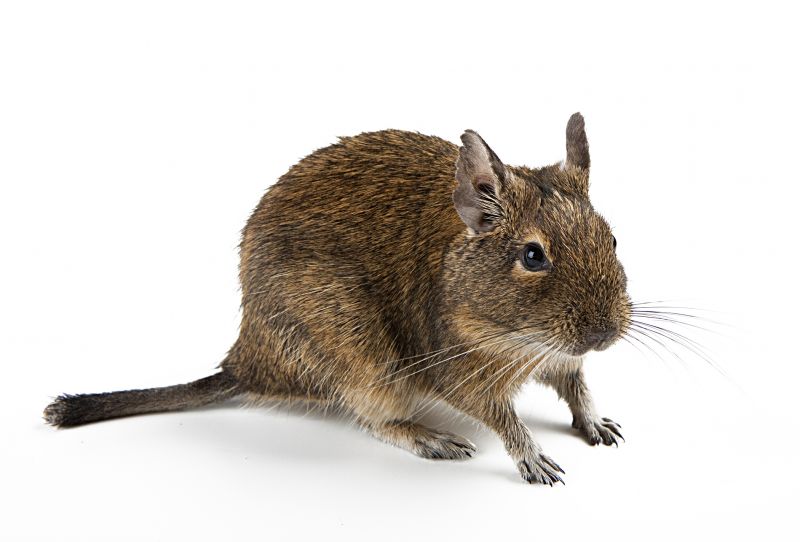
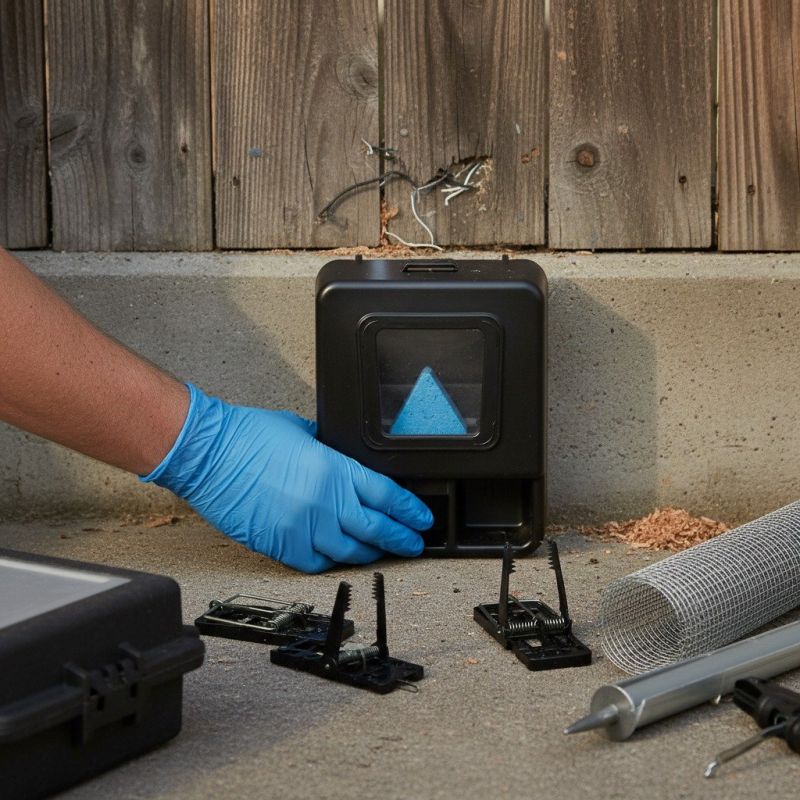
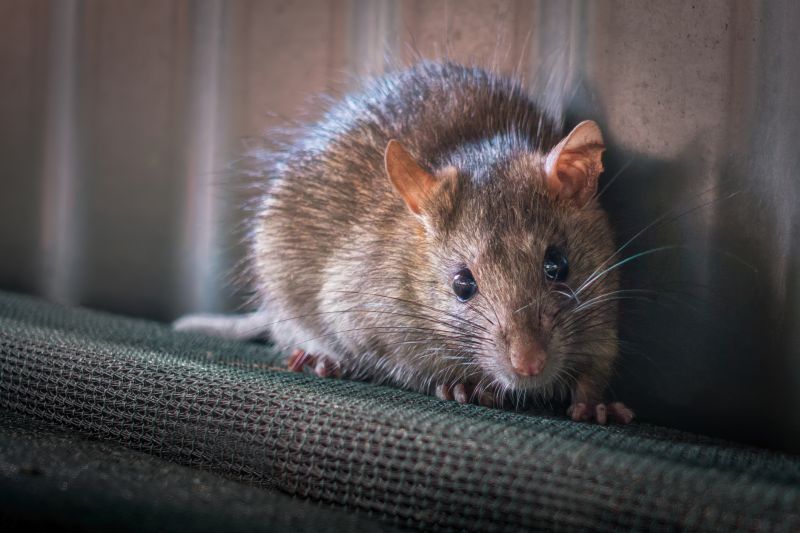
When people search for how rodents compromise insulation and indoor air quality, they are usually concerned about the health and comfort of their homes. Rodents, such as mice and rats, often invade attics, wall cavities, and crawl spaces, where they can nest and feed. Their presence in these hidden areas can lead to damage in insulation materials, making them less effective at regulating temperature and humidity. Additionally, rodents carry bacteria, parasites, and diseases that can become airborne, contributing to poor indoor air quality. Homeowners often want to understand the risks involved and seek solutions to remove rodents and restore a safe, healthy environment.
This topic is closely related to problems like increased energy bills, indoor odors, and potential health issues caused by rodent droppings and urine. Many property owners recognize that compromised insulation not only reduces energy efficiency but also creates an environment conducive to further pest activity. Plans to address these issues often involve pest removal, insulation replacement or repair, and air quality improvement measures. Addressing how rodents compromise insulation and indoor air quality is a key step in preventing long-term damage and maintaining a comfortable living space.
Properties that typically come up in discussions about rodent-related insulation and air quality issues include attics, basements, wall cavities, and crawl spaces. These areas are common entry points and nesting sites for rodents, especially in homes, apartments, and even some commercial buildings. Older buildings tend to be more vulnerable due to gaps in construction or deteriorated insulation, but new properties can also be affected if entry points are not properly sealed. Homeowners should be aware that any property with accessible hidden spaces might be at risk of rodent infestation and subsequent damage to insulation and indoor air quality.
Local service providers specializing in rodent removal can play a crucial role in addressing these issues. They typically offer inspection services to identify rodent activity and damage, followed by removal and exclusion techniques to prevent future invasions. Once rodents are removed, these pros often recommend insulation repair or replacement to restore energy efficiency and reduce the risk of ongoing contamination. They may also provide air quality assessments and solutions to eliminate lingering odors and airborne pathogens. Connecting with experienced local contractors ensures that the problem is handled thoroughly, helping homeowners protect their property and health from the adverse effects of rodent-related damage.
Attic Insulation Replacement - professionals who specialize in attic insulation can identify and remove contaminated or damaged insulation caused by rodent activity, improving indoor air quality.
Pest Damage Repair - contractors experienced in repairing rodent entry points and damage can help prevent further intrusion and protect insulation and indoor environments.
Air Duct Cleaning - service providers who clean and sanitize air ducts can remove rodent droppings and debris that compromise indoor air quality.
Home Inspection Services - inspectors who evaluate insulation and ventilation systems can detect signs of rodent infestation and recommend remediation strategies.
Wildlife Exclusion Services - specialists who seal entry points and prevent rodent access help safeguard insulation and indoor air from contamination.
Moisture and Leak Repair - contractors addressing moisture issues can reduce conditions that attract rodents, thereby protecting insulation and air quality.
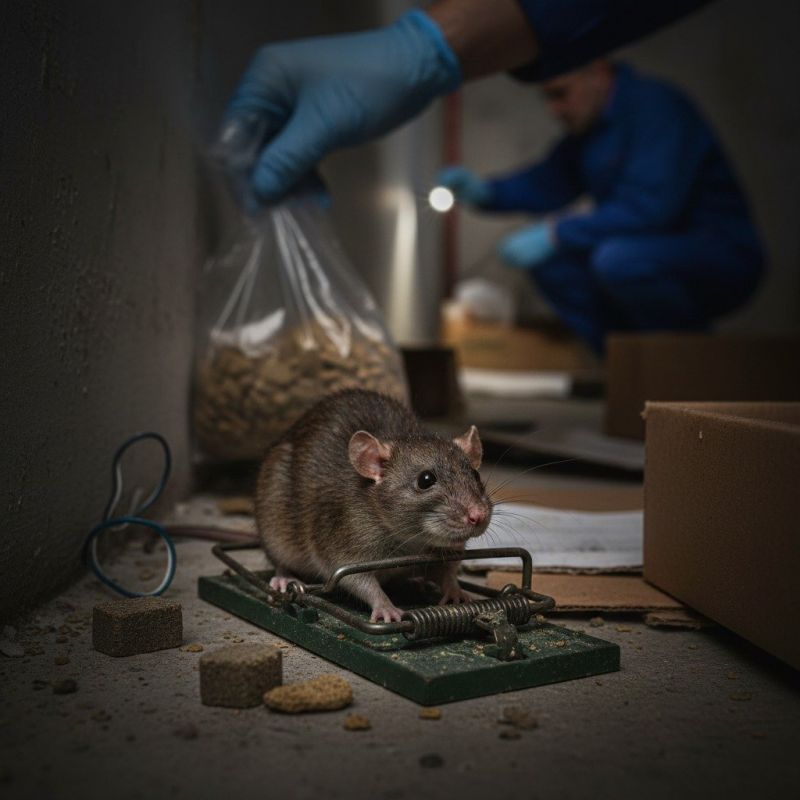
When comparing service providers for rodent removal, it’s important to consider their experience with similar projects, particularly those involving insulation and indoor air quality concerns. Homeowners should look for local contractors who have a proven track record in addressing rodent infestations that have impacted insulation, as this demonstrates familiarity with the unique challenges involved. An experienced professional will understand how rodents can damage insulation materials, create entry points, and introduce contaminants that affect indoor air quality, ensuring they are equipped to handle these specific issues effectively.
Clear written expectations are essential when evaluating potential service providers. Homeowners should seek detailed descriptions of the scope of work, including inspection procedures, removal methods, and any necessary repairs or replacements. This transparency helps ensure that both parties have aligned understanding of the project’s goals and reduces misunderstandings. Additionally, reputable contractors will be able to outline what homeowners can expect during and after the service, such as cleanup procedures or follow-up measures to prevent future infestations, contributing to a smoother, more predictable process.
Reputable references and strong communication practices are key indicators of a reliable service provider. Homeowners are encouraged to ask for references from previous clients who had similar rodent-related issues, particularly those involving insulation and indoor air quality concerns. This provides insight into the contractor’s ability to deliver quality work and handle sensitive situations. Good communication is equally important; service providers who are responsive, clear, and willing to answer questions can help homeowners feel more confident throughout the process. Ultimately, selecting a contractor with these qualities can lead to a more thorough and satisfactory resolution of rodent issues that threaten insulation and indoor air quality.
Property owners often search for how rodents compromise insulation and indoor air quality when they are planning practical projects around their homes and businesses. Local pros provide Rodent Removal services for everyday jobs and straightforward project options.
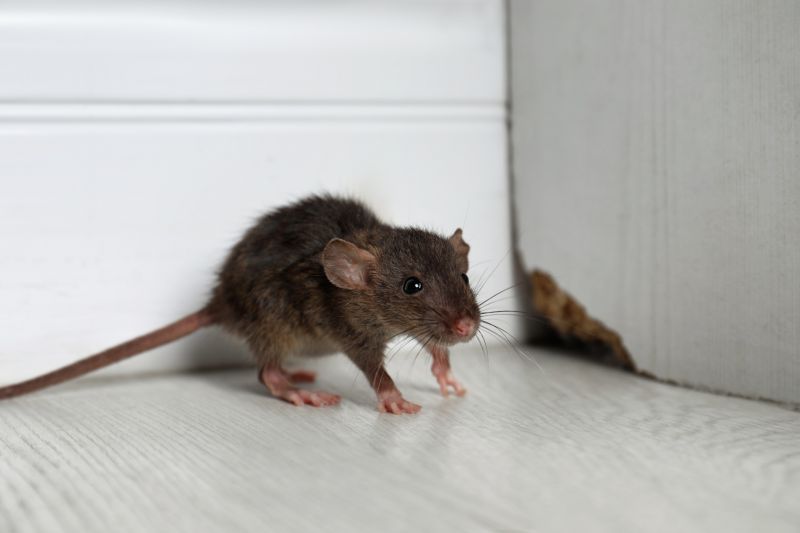
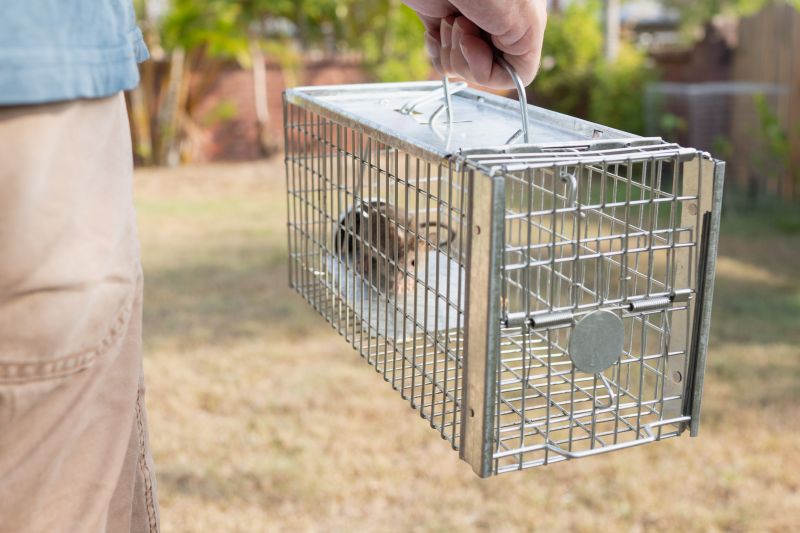
Rodents can cause significant issues inside homes by nesting in insulation, which often leads to compromised thermal barriers and increased energy costs. Their gnawing habits can tear apart insulation materials, leaving gaps and reducing their effectiveness. Additionally, rodent droppings and urine can introduce bacteria and allergens into the indoor environment, impacting overall air quality. Property owners noticing unusual odors, increased dust, or signs of rodent activity may want to explore professional rodent removal services to address these problems and restore the integrity of their insulation.
Engaging with local contractors skilled in rodent removal can help prevent further damage and improve indoor air conditions. These service providers can safely eliminate rodent infestations and assess how the pests have affected insulation and ventilation systems. Proper removal and cleanup can reduce health risks associated with rodent waste and prevent the spread of odors or allergens throughout the home. Property owners searching for solutions to rodent-related insulation issues may find that working with experienced local service providers offers a practical way to resolve these concerns effectively.
How do rodents damage insulation? Rodents often chew through insulation materials, creating holes and reducing its effectiveness. This damage can lead to increased energy costs and decreased comfort indoors.
In what ways do rodents affect indoor air quality? Rodents can introduce droppings, urine, and nesting materials into insulation, which may release allergens and airborne contaminants that degrade indoor air quality.
Why is damaged insulation a concern for indoor air health? Compromised insulation can harbor mold, bacteria, and rodent allergens, all of which can contribute to respiratory issues and allergies inside the home.
How can local contractors help restore insulation after rodent damage? Professional service providers can remove contaminated insulation, eliminate rodent infestations, and replace or repair insulation to improve indoor air quality and energy efficiency.
What steps do service providers take to prevent future rodent-related insulation issues? Local pros typically seal entry points, implement pest-proofing measures, and ensure insulation is properly installed to reduce the risk of future rodent intrusion and damage.
Identify rodent entry points - property owners can work with local contractors to inspect and seal gaps that allow rodents to access attics and wall spaces, preventing further damage to insulation.
Replace contaminated insulation - after rodent infestations, local pros can remove soiled or chewed insulation to improve indoor air quality and reduce health risks.
Implement ongoing pest prevention - property owners can collaborate with service providers to establish barriers and deterrents that keep rodents away from insulation areas.
Improve ventilation and air filtration - local contractors can recommend and install systems that enhance indoor air quality, especially if rodents have compromised existing ventilation.
If you are thinking about how rodents compromise insulation and indoor air quality for a property, this guide is meant to help you understand this topic, the typical project types, and how different options might fit your plans.
When you are ready, you can use the quote form on this page to share a few details about your project. From there, local pros can review the basics and follow up with options that match what you have in mind.